Author: asgadmin

  • 10 Questions to Ask Your Gutter Installer Before Hiring

    10 Questions to Ask Your Gutter Installer Before Hiring

    Hiring the right gutter installer can mean the difference between a system that protects your home for decades and one that fails after the first heavy rain. Most homeowners focus on price alone, but the questions you ask before signing anything matter far more than the number on the quote. A well-informed homeowner is a protected homeowner.

    Gutter installation is a specialized trade that involves more than just attaching metal channels to your roofline. Proper roof drainage, correct slope, downspout placement, and material selection all affect how well your system performs. Skipping the vetting process often leads to water damage, voided warranties, and costly repairs down the road.

    This guide walks you through the most critical questions to raise with any gutter installer before you commit. Whether you need a full gutter replacement, a targeted gutter repair, or a complete upgrade with gutter guards, these questions will help you separate skilled professionals from risky shortcuts.

    Understanding Your Needs Before Contacting a Gutter Installer

    Clarifying Your Home’s Gutter Problems and Goals

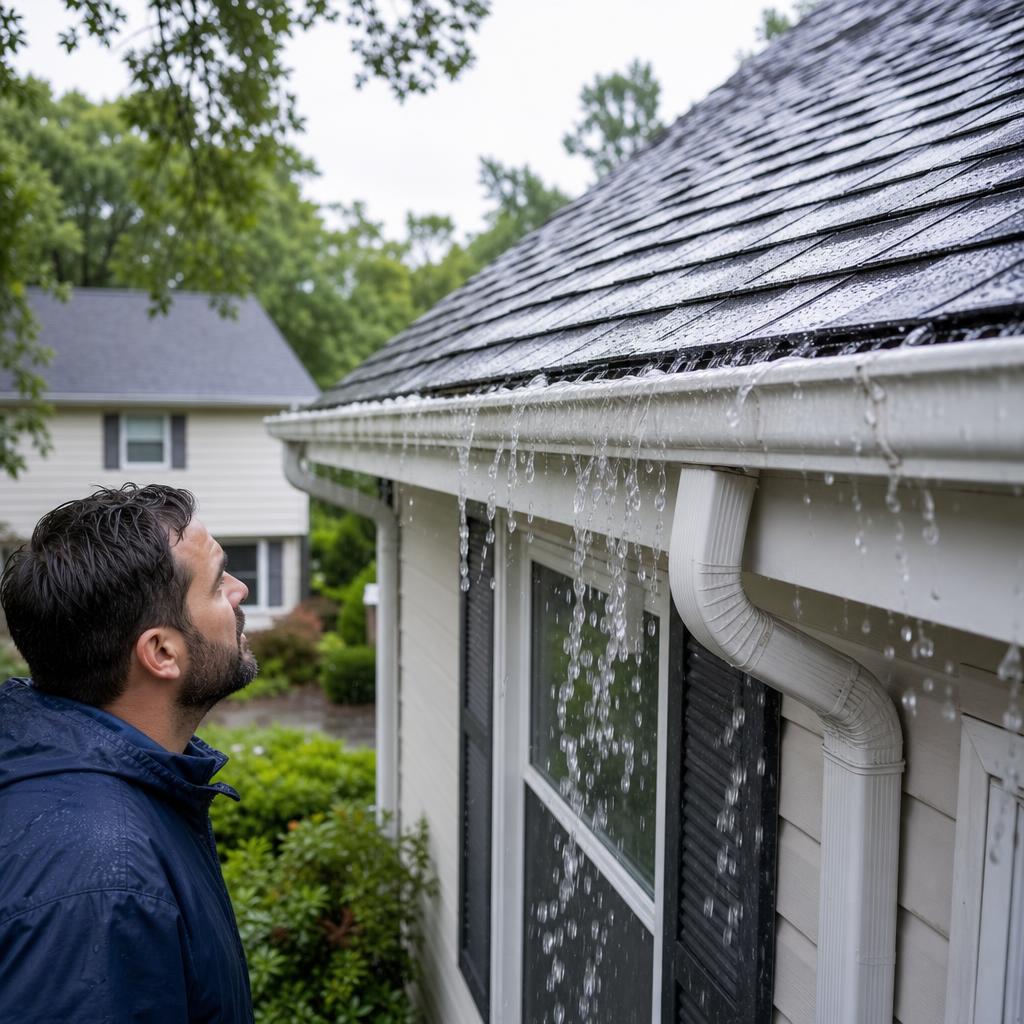
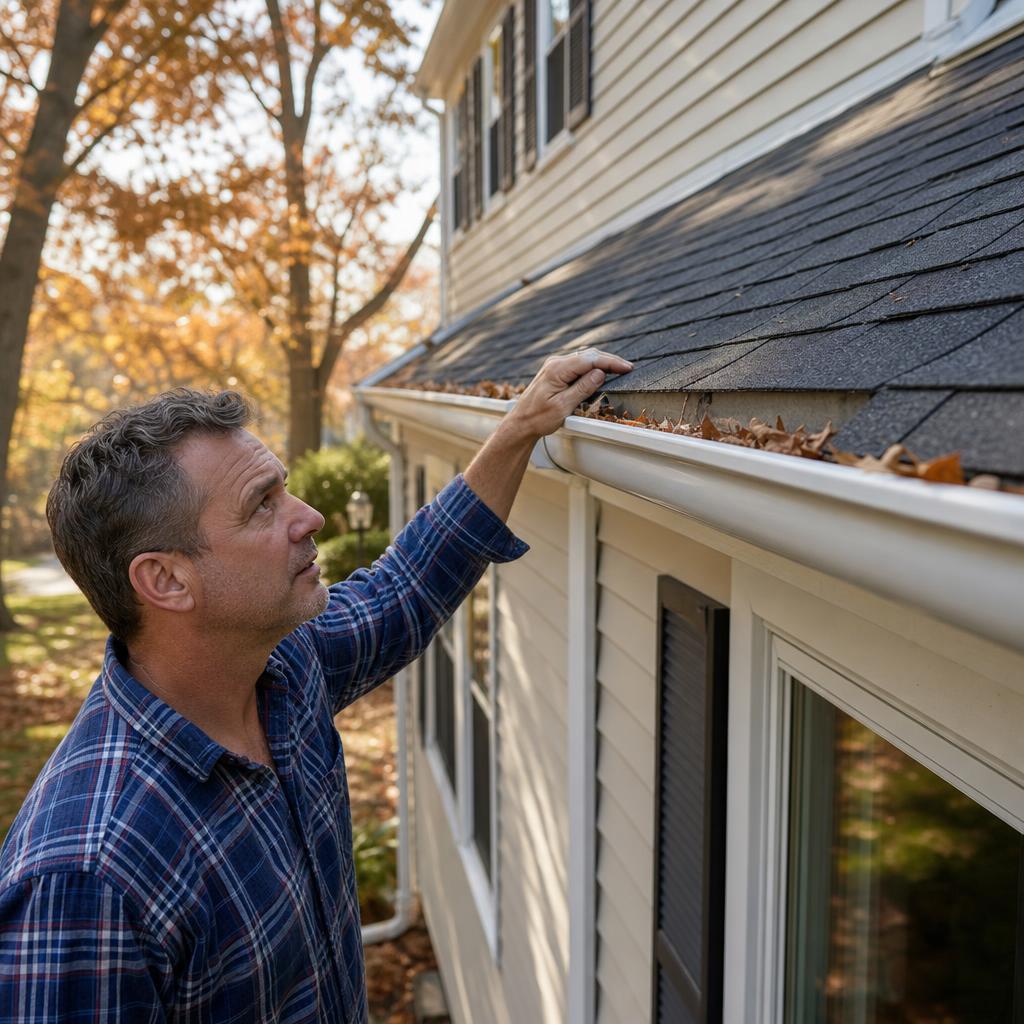
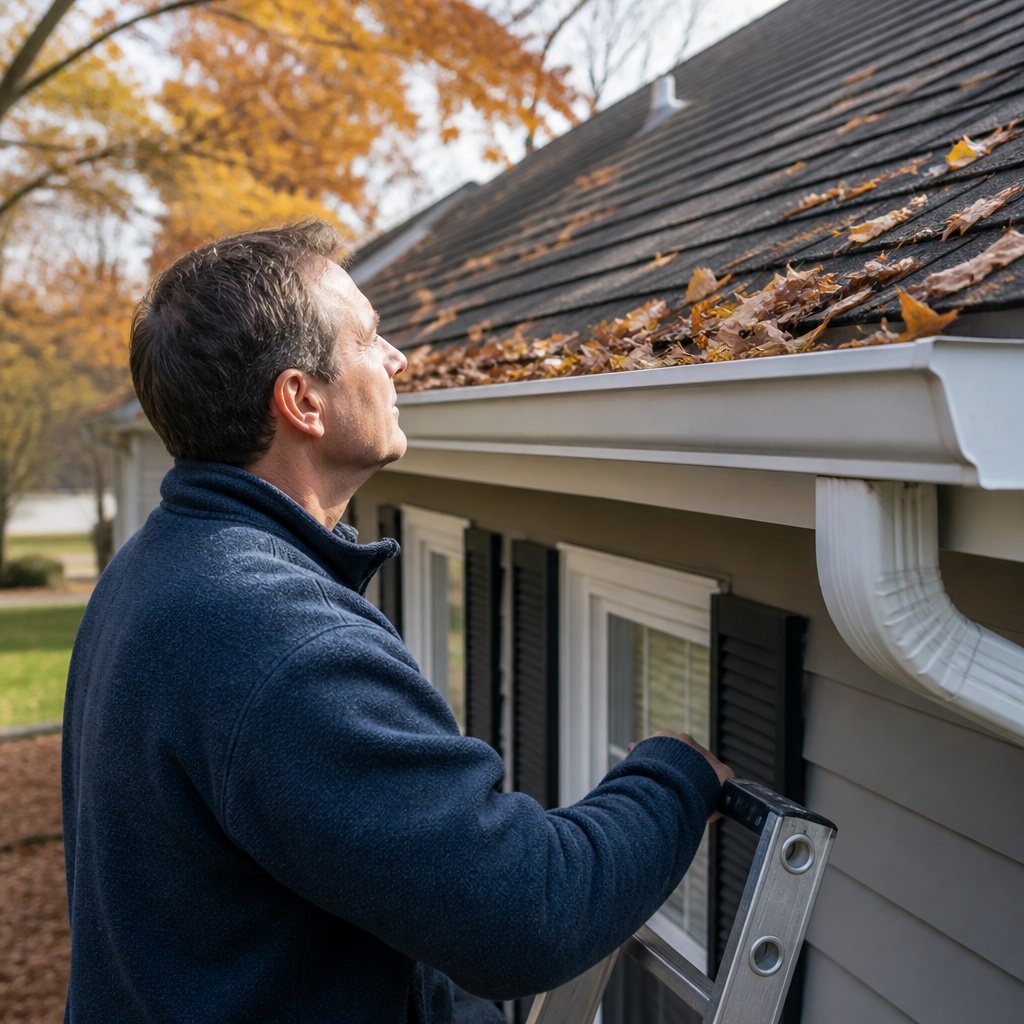
    Before you pick up the phone, spend a few minutes assessing what your gutters actually need. Walk around your home after a rainstorm and look for overflow, sagging sections, pooling water near the foundation, or visible rust and cracks. These observations give you a starting point for every conversation with a potential gutter installer.

    Knowing your goals also helps you evaluate quotes more accurately. Are you dealing with recurring clogs from nearby trees? Do you want to upgrade to seamless gutters for a cleaner look and better performance? If your home is taller or more complex, reviewing options for two-story gutter systems before your consultation can sharpen your questions considerably.

    Common Gutter Problem Likely Cause Possible Solution
    Overflow during rain Clogs or undersized gutters Gutter cleaning or upsizing
    Sagging sections Failed hangers or weight buildup Hanger replacement or full repair
    Water pooling at foundation Poor downspout placement Downspout relocation or extension
    Rust or cracks Age or material failure Gutter replacement
    Frequent debris buildup Nearby trees Gutter guards installation

    Deciding on Repair, Replacement, or Upgrades

    Not every gutter problem requires a full replacement. Minor leaks, loose hangers, or small cracks often fall under gutter repair, which costs significantly less. However, if your system is aging, heavily corroded, or undersized for your roof’s drainage needs, gutter replacement is the smarter long-term investment.

    Upgrades like gutter guards or larger downspouts can extend the life of a new system dramatically. Talk to at least two or three installers about what they recommend and why. If every contractor pushes the most expensive option without explaining the reasoning, that is a red flag worth noting.

    Essential Qualification and Safety Questions

    Licensing, Insurance, Bonding, and Worker Safety

    The first question to ask any gutter installer is whether they hold a valid license in your state or municipality. Licensing requirements vary by location, but a licensed contractor has met minimum standards for competency and accountability. Never assume licensing is in place — always ask for proof.

    Insurance coverage is equally non-negotiable. Ask specifically for general liability insurance and workers’ compensation. If a worker is injured on your property and the company lacks proper coverage, you could be held financially responsible. This single question protects you from potentially devastating liability.

    Ask these qualification questions directly:

    • Are you licensed to perform gutter installation in this area?
    • Do you carry general liability and workers’ compensation insurance?
    • Are you bonded, and what does that bond cover?
    • Will your own employees complete the work, or do you subcontract?

    Bonding provides an additional layer of protection if the contractor fails to complete the job or causes property damage. Subcontracting is not automatically a problem, but you should know who will actually be on your property and whether those workers are covered under the same insurance policy.

    Experience, Training, and References

    Contractor experience matters enormously in gutter installation. Ask how long the company has been operating and how many installations they complete each year. A high volume of completed projects suggests efficiency and reliability. A newer company is not automatically unqualified, but they should be able to demonstrate training and mentorship.

    Request at least three references from recent customers with similar projects. Follow through and actually call them. Ask about punctuality, cleanup, communication, and whether the gutters have performed well since installation. Online reviews are helpful, but direct references give you more specific and honest feedback.

    Ask about any manufacturer certifications or industry training the team has completed. Some gutter material brands offer certified installer programs that indicate a higher level of product knowledge and installation quality.

    Project Scope, Materials, and Installation Details

    Gutter Types, Sizes, and Material Quality

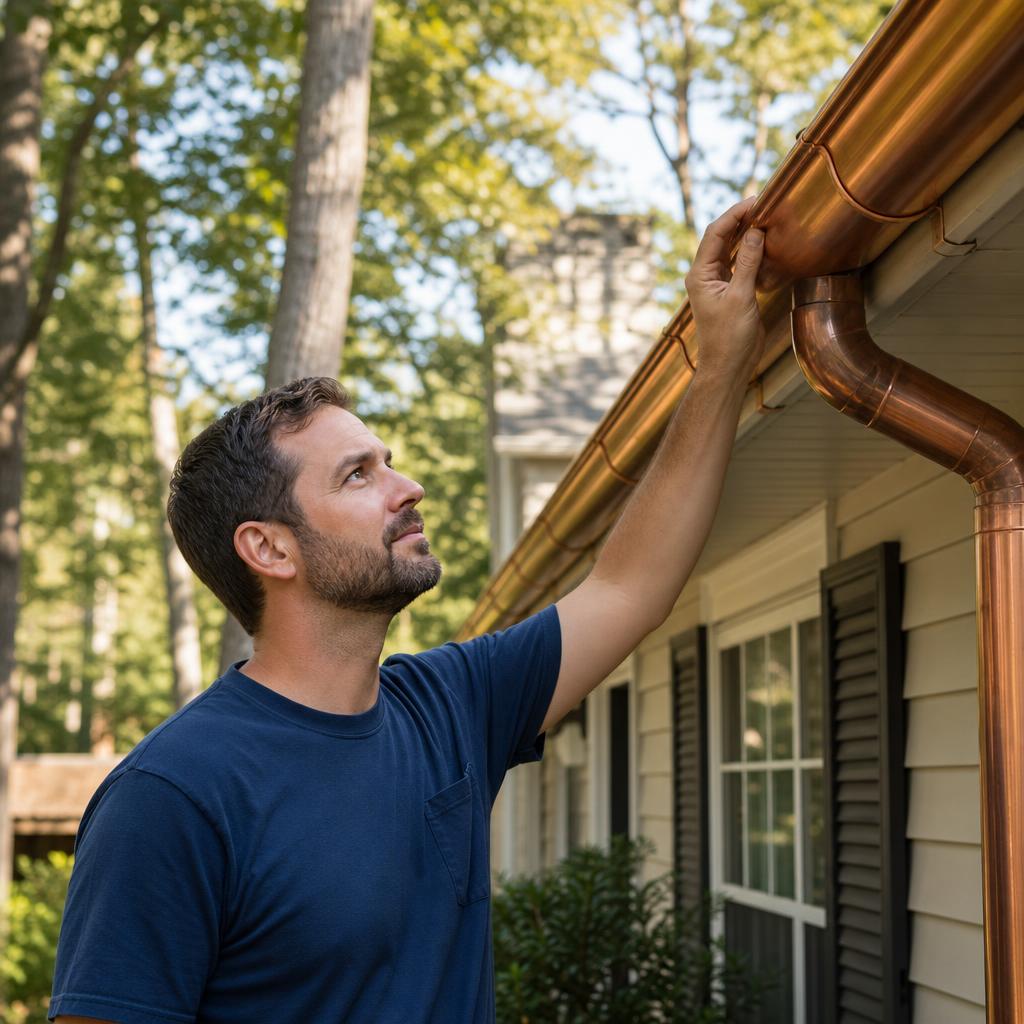
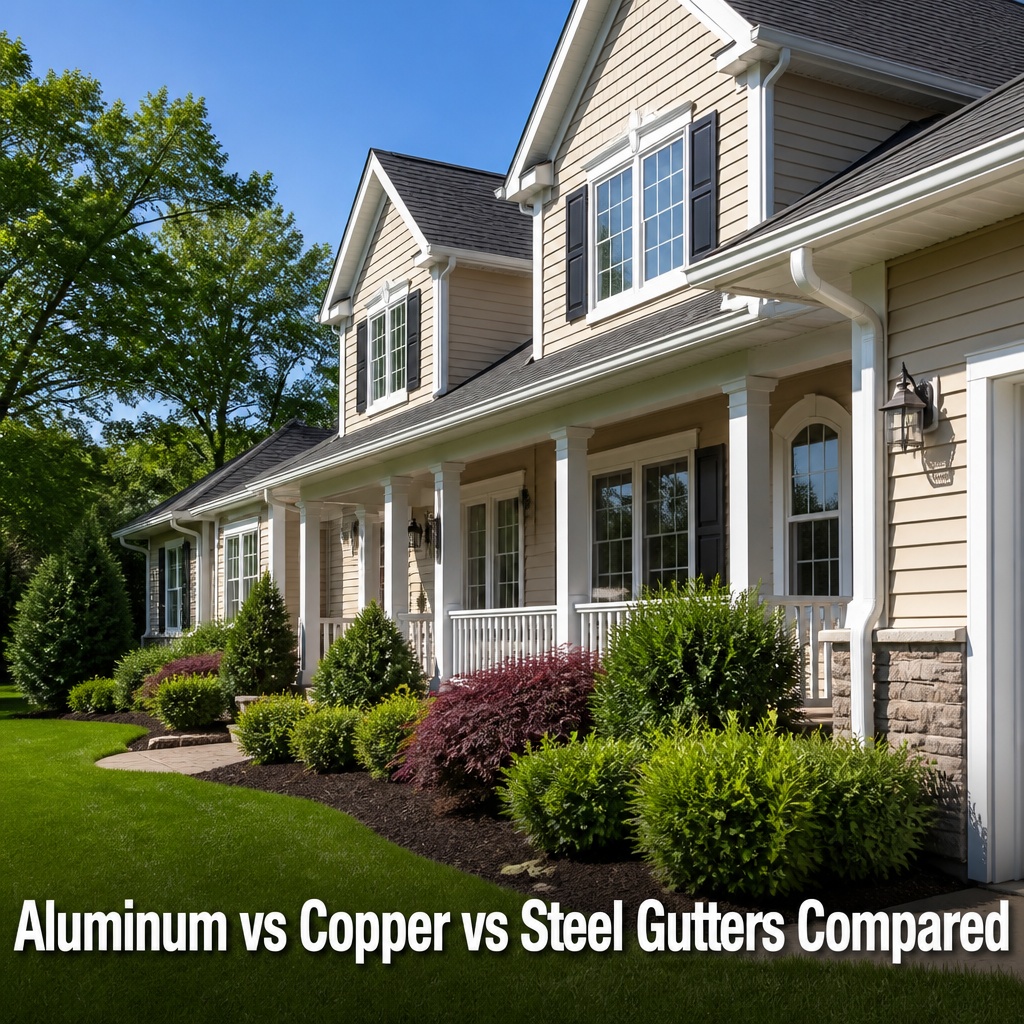
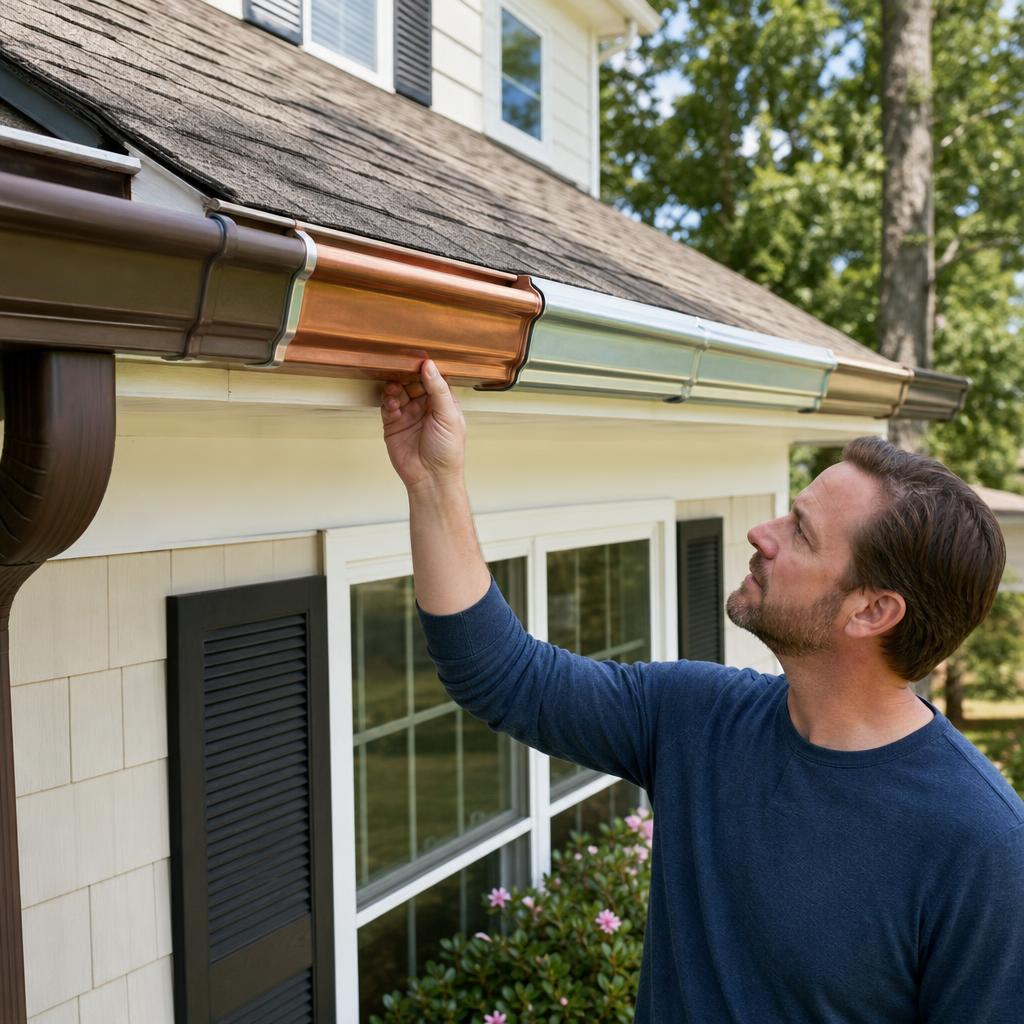
    Understanding your material options before meeting with a gutter installer puts you in a much stronger position. The most common choices include aluminum gutters, vinyl gutters, and copper gutters. Each has distinct advantages depending on your climate, budget, and aesthetic preferences.

    Featured image

    Aluminum gutters are the most popular choice for most homes due to their balance of affordability, durability, and low maintenance. Vinyl gutters cost less upfront but can become brittle in cold climates. Copper gutters are premium, long-lasting, and visually striking, but they come at a significantly higher price point.

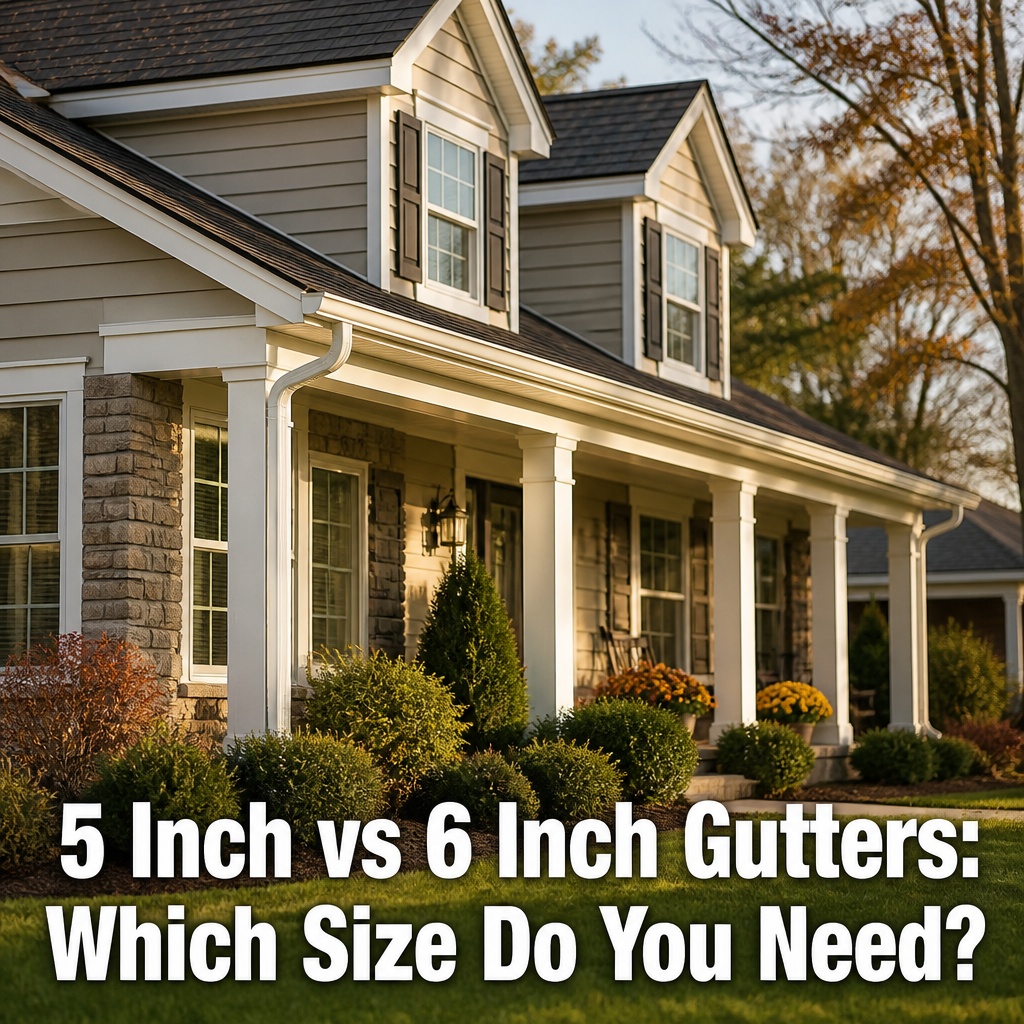
    Ask your installer which gutter materials they recommend for your specific home and why. A knowledgeable contractor will explain the trade-offs clearly rather than defaulting to whatever they stock most often. Also ask about gutter sizing — standard five-inch gutters work for most homes, but larger roofs or high-rainfall areas may require six-inch systems.

    System Design: Downspouts, Hangers, and Water Flow

    A gutter system is only as effective as its design. Ask your installer how they plan to route downspouts and where water will discharge. Downspouts should direct water at least four to six feet away from your foundation. Poor placement is one of the leading causes of basement flooding and foundation erosion.

    Hanger spacing is another detail worth discussing. Hangers placed too far apart allow gutters to sag under the weight of water and debris. Industry best practice calls for hangers every two feet, though some installers stretch this to reduce material costs. Ask specifically what spacing they use and whether it meets local building standards.

    Proper slope is critical for roof drainage. Gutters should pitch slightly toward downspouts to prevent standing water. Ask how the installer calculates and verifies slope during installation. This is a technical detail that separates experienced professionals from those who cut corners.

    Additional Services, Upgrades, and Customization Options

    Many gutter installers offer services beyond basic installation. Gutter guards are one of the most popular upgrades, reducing the frequency of gutter cleaning and preventing clogs from leaves and debris. If your home is surrounded by trees, this upgrade can pay for itself quickly. For homes in heavily wooded settings, exploring seamless gutter options designed for tree-surrounded properties is worth discussing with your installer directly.

    Ask whether the company offers seamless gutters fabricated on-site. Seamless gutters have fewer joints, which means fewer potential leak points. They also tend to look cleaner and more polished than sectional systems. Most professional installers today offer seamless options as their primary product.

    Other customization options to ask about include:

    • Color matching to your home’s trim or fascia
    • Underground downspout drainage systems
    • Rain barrel or rainwater harvesting connections
    • Heated gutter cables for ice dam prevention in cold climates

    Pricing, Warranty, and Timeline Questions

    Estimates, Contracts, and Payment Terms

    Always request a free estimate in writing before agreeing to any work. A detailed written estimate should break down labor costs, material costs, and any additional fees separately. Vague quotes that lump everything together make it difficult to compare bids or identify overcharges. Understanding how gutter installation is priced per linear foot helps you evaluate whether a quote is reasonable or inflated.

    Ask what the payment schedule looks like. Reputable contractors typically request a deposit upfront with the balance due upon completion. Be cautious of any installer who demands full payment before work begins. That payment structure offers you no leverage if problems arise.

    Review the contract carefully before signing. It should include:

    • A complete scope of work with specific materials listed
    • Total cost and payment schedule
    • Start and estimated completion dates
    • Cleanup and disposal responsibilities
    • Warranty terms for both labor and materials

    Product and Workmanship Warranties

    A warranty is only valuable if you understand exactly what it covers. Ask your installer to explain both the product warranty from the gutter manufacturer and the workmanship warranty they provide themselves. These are two separate things, and both matter.

    Product warranties cover defects in the gutter materials themselves. Workmanship warranties cover installation errors, such as improper slope, failed seams, or incorrectly placed hangers. A confident, experienced installer will stand behind their work with a meaningful warranty period.

    Ask what the process is for making a warranty claim. Some companies make this straightforward, while others create barriers that make it difficult to collect on a legitimate claim. A clear, simple claims process is a sign of a trustworthy contractor.

    Project Scheduling and Completion Timeframe

    Understanding the project timeline upfront prevents frustration and miscommunication. Ask when the installer can begin work and how long the project is expected to take. Most residential gutter installation jobs are completed in a single day, but larger homes or complex rooflines may require more time.

    Ask what happens if weather delays the project. Rain and high winds can make gutter installation unsafe or impractical. A professional contractor will have a clear policy for rescheduling and will communicate proactively rather than leaving you guessing.

    Also ask whether they handle permit requirements if your municipality requires them for gutter replacement or installation. A reputable local contractor will know local regulations and handle the paperwork without prompting.

    Conclusion

    Choosing the right gutter installer is a home improvement decision that affects your property’s structural health for years to come. The questions outlined here give you a practical framework for evaluating any contractor you consider. For a broader look at how to vet your options, this guide on choosing a gutter installation contractor covers the full selection process in detail.

    Prioritize licensing, insurance coverage, and references above all else. Then dig into materials, system design, and warranty terms. A contractor who answers every question clearly and confidently is one worth trusting with your home.

    FAQ

    What are the most important questions to ask a gutter installer first?

    Start with licensing and insurance coverage. Confirm the installer holds a valid license and carries both general liability and workers’ compensation insurance. From there, ask about contractor experience, references, and whether they provide a written cost estimate before any work begins.

    How can I verify a gutter installer’s credentials and past work?

    Ask for their license number and verify it through your state’s contractor licensing board. Request proof of insurance directly from their provider. Call the references they supply and check online reviews across multiple platforms. A reputable local contractor will have a verifiable track record and no hesitation providing documentation.

    What red flags should I watch for when interviewing gutter installers?

    Watch for contractors who demand full payment upfront, refuse to provide written estimates, or cannot supply proof of insurance. Vague answers about materials, hanger spacing, or warranty terms are also warning signs. Any installer who pressures you to decide immediately without time to review a contract is not operating in your best interest.

  • How to Choose a Gutter Installation Contractor

    How to Choose a Gutter Installation Contractor

    Hiring the wrong gutter installation contractor can lead to leaks, water damage, and costly repairs down the road. Your gutters are a critical part of your home’s drainage system, and getting them installed correctly the first time matters more than most homeowners realize. A poor installation job doesn’t just look bad — it can compromise your fascia board, foundation, and landscaping over time.

    The good news is that finding a reliable, skilled contractor isn’t complicated if you know what to look for. This guide walks you through every step of the process, from understanding your specific needs to spotting red flags before you sign anything. Whether you’re replacing old gutters or installing a system on a new build, the same principles apply.

    Taking a little extra time upfront to vet your options properly will save you significant money and frustration. A trustworthy contractor will be transparent, licensed, insured, and happy to answer your questions. Let’s get into exactly how to find one.

    Understanding Your Gutter Needs Before Hiring

    Before you contact a single contractor, it helps to have a clear picture of what your home actually needs. Walking into the process informed means you’ll ask better questions and recognize when a contractor is giving you solid advice versus just upselling you.

    Assessing Your Home, Roofline, and Drainage Issues

    Start by looking at your current gutter system and identifying any obvious problems. Are there sections pulling away from the fascia board? Do you notice pooling water near your foundation after rain? These observations will help you communicate clearly with contractors about the scope of work needed.

    Your roofline plays a big role in determining what kind of gutter system will work best. Homes with complex rooflines, multiple valleys, or steep pitches require more precise installation work and more materials. If you have a two-story home, the complexity increases further — understanding what gutter systems work best for multi-level homes can help you have a more informed conversation with potential contractors.

    Roof drainage patterns also affect where downspouts need to be placed. A good contractor will assess your property’s grading and identify the best exit points for water to flow away from your home’s foundation.

    Home Feature What to Assess Why It Matters
    Roofline complexity Number of angles and valleys Affects installation difficulty and cost
    Fascia board condition Rot, damage, or instability May need repair before gutters are hung
    Existing drainage issues Pooling water, erosion near foundation Determines downspout placement needs
    Tree coverage Overhanging branches and debris volume Influences gutter guard recommendations
    Home height Single vs. multi-story Impacts labor requirements and safety gear

    Deciding on Gutter Types, Materials, and Add‑ons

    Gutter materials vary widely in price, durability, and maintenance requirements. Aluminum gutters are the most popular choice for most homes — they’re lightweight, rust-resistant, and cost-effective. Vinyl gutters are budget-friendly but can crack in cold climates. Copper gutters offer a premium aesthetic and exceptional longevity, though they come at a significantly higher price point.

    Seamless gutters are worth serious consideration. Unlike sectional gutters, they’re custom-fabricated on-site to fit your home’s exact measurements, which dramatically reduces the risk of leaks at joints. They’re the preferred option for most professional gutter installation projects today.

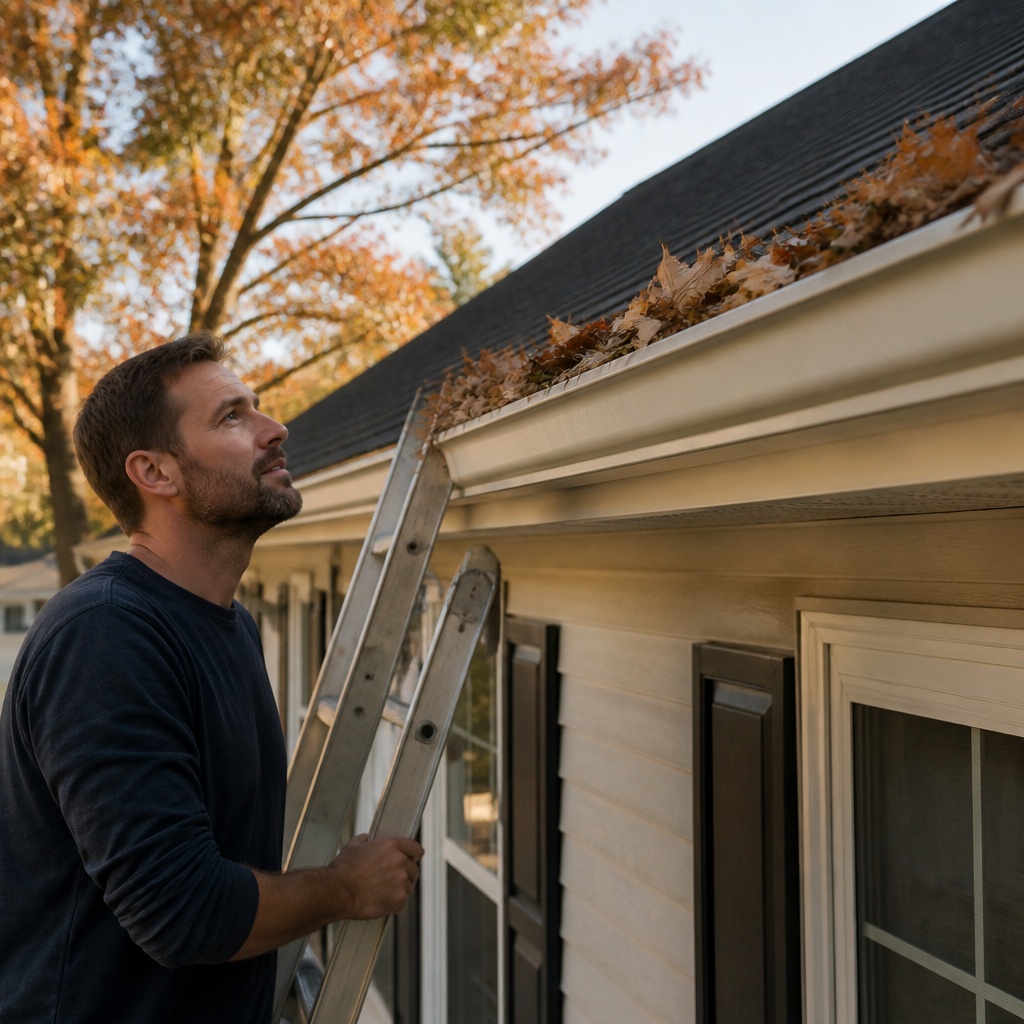
    Gutter guards are another add-on to think about before you start collecting quotes. If your home is surrounded by trees, gutter guards can reduce how often you need gutter cleaning and prevent clogs that lead to overflow and water damage prevention failures. Knowing what you want ahead of time helps you compare contractor quotes on equal footing.

    Researching and Shortlisting Gutter Contractors

    Once you know what you need, it’s time to find contractors worth talking to. Don’t just go with the first name that appears in a search result. A little research upfront separates the professionals from the fly-by-night operators.

    Finding Local Specialists and Checking Reviews

    A local contractor is almost always a better choice than a national chain or an out-of-town crew. Local specialists understand regional weather patterns, building codes, and the specific drainage challenges common to your area. They also have a reputation to protect in your community, which tends to keep their work quality higher.

    Start by searching for gutter installation specialists in your area and checking their profiles on Google, Yelp, and the Better Business Bureau. The BBB is particularly useful for identifying contractors with unresolved complaints or a pattern of poor customer service. Look for contractors with a solid volume of reviews, not just a handful of five-star ratings.

    Pay attention to how contractors respond to negative reviews — a professional who addresses complaints calmly and constructively is a much better sign than one who argues with customers publicly.

    Requesting References and Comparing Past Projects

    Any reputable contractor should be willing to provide references from past clients. Don’t skip this step. Calling two or three previous customers takes only a few minutes and can reveal a lot about how a contractor handles their work, their timeline, and any issues that came up during the project.

    Ask references specifically about whether the contractor showed up on time, cleaned up after the job, and honored their warranty when problems arose. These details matter more than a polished sales pitch.

    If possible, ask to see photos of completed projects or visit a nearby installation the contractor has done. Seeing their actual work gives you a much clearer sense of quality than any website or brochure ever could.

    Verifying Credentials, Insurance, and Warranties

    This is the section where many homeowners cut corners — and it’s exactly where the most costly mistakes happen. Verifying credentials isn’t optional. It’s a non-negotiable part of protecting yourself and your home.

    Licensing, Insurance, and Compliance with Local Codes

    Always confirm that a contractor holds a valid license in your state or municipality before moving forward. Licensing requirements vary by location, but a licensed contractor has met minimum standards for competency and is accountable to a regulatory body. An unlicensed contractor offers you no such protection.

    Featured image

    Insurance is equally critical. Your contractor should carry both general liability insurance and workers’ compensation coverage. If a worker is injured on your property and the contractor lacks workers’ comp, you could be held financially responsible. Ask for certificates of insurance and verify them directly with the insurer if you have any doubts.

    Compliance with local building codes is another area to confirm. Gutter slope, downspout sizing, and attachment methods are all governed by local regulations in many areas. A contractor who ignores these codes could leave you with a system that fails inspection or causes problems when you try to sell your home.

    Understanding Material and Workmanship Warranties

    Warranties come in two forms: material warranties from the manufacturer and workmanship warranties from the contractor. Both matter, and you should understand exactly what each covers before signing anything.

    A material warranty covers defects in the gutter product itself — things like premature rust, cracking, or coating failure. A workmanship warranty covers the quality of the installation, including issues like improper gutter slope, leaking seams, or gutters pulling away from the fascia. Workmanship warranties typically range from one year to a lifetime, depending on the contractor.

    Get all warranty details in writing. Verbal promises are worth nothing if a dispute arises later. A written contract that clearly outlines warranty terms is a sign of a professional operation.

    Getting Quotes, Asking Questions, and Spotting Red Flags

    Collecting and comparing quotes is where the process gets practical. This stage gives you the clearest picture of what you’ll actually pay and which contractor is the best fit for your project.

    How to Compare Written Estimates and Timelines

    Always get at least three written estimates before making a decision. A written estimate should itemize labor, materials, removal of old gutters, and any additional work like fascia board repair. If a quote is vague or just gives you a single lump sum, ask for a breakdown. Understanding the cost per linear foot for gutter installation helps you quickly identify whether a quote is reasonable or inflated.

    Compare timelines as well as prices. A contractor who can start immediately might be cutting corners elsewhere, while one with a reasonable wait time is often in demand for good reasons. Ask how long the installation will take and whether they’ll complete it in a single visit.

    The lowest quote isn’t always the best deal. Factor in materials quality, warranty coverage, and the contractor’s reputation when making your final comparison.

    Essential Questions to Ask Before You Sign

    Asking the right questions before you commit can prevent a lot of headaches. Here are the key ones to cover:

    • Are you licensed and insured in this state?
    • Do you offer free estimates, and is this quote binding?
    • What gutter materials do you recommend for my home and why?
    • Will you install seamless gutters or sectional gutters?
    • How do you handle fascia board damage discovered during installation?
    • What does your workmanship warranty cover and for how long?
    • Who will actually perform the work — your employees or subcontractors?
    • How do you ensure proper gutter slope for drainage?

    A contractor who answers these questions clearly and confidently is demonstrating professionalism. One who gets defensive or vague should raise concerns.

    Common Warning Signs of an Unreliable Contractor

    Knowing what to avoid is just as valuable as knowing what to look for. Watch out for these red flags:

    • Demanding full payment upfront before any work begins
    • Offering an unusually low bid with no clear explanation
    • Refusing to provide proof of license and insurance
    • Pressuring you to sign immediately without time to review
    • No physical business address or local presence
    • Unwillingness to provide a written contract
    • No references or only anonymous testimonials
    • Poor communication or slow response times during the quote process

    Trust your instincts. If something feels off during the quoting process, it will likely feel worse once the work begins.

    Conclusion

    Choosing the right gutter installation contractor comes down to doing your homework, asking the right questions, and refusing to rush the process. A properly installed gutter system protects your home from water damage, preserves your foundation, and adds long-term value. For a full picture of what the project might cost you, reviewing a detailed breakdown of gutter installation pricing is a smart starting point before you collect quotes.

    The contractors worth hiring are the ones who are transparent, credentialed, and willing to stand behind their work with a solid warranty. Take your time, compare your options carefully, and you’ll end up with a system that performs well for years to come.

    FAQ

    What is the most important qualification to look for in a gutter contractor?

    Licensing and insurance are the most critical qualifications. A licensed contractor has met local competency standards, and proper insurance protects you from liability if something goes wrong during the installation. Without both, you’re taking on significant financial and legal risk.

    How many estimates should I get before choosing a gutter installer?

    Getting at least three written estimates gives you a solid basis for comparison. It helps you understand the fair market rate for your project, identify outliers on both the high and low end, and evaluate which contractor offers the best overall value — not just the lowest price.

    Should I hire a gutter specialist or a general roofing contractor?

    A dedicated gutter specialist is usually the better choice. They focus exclusively on gutter installation, repair, and maintenance, which means deeper expertise and more refined technique. General roofing contractors can do the work, but a specialist’s experience with gutter slope, downspout placement, and seamless gutter fabrication is hard to match.

  • Best Seamless Gutters for Tree-Surrounded Homes

    Best Seamless Gutters for Tree-Surrounded Homes

    Living under a canopy of mature trees is one of the great pleasures of homeownership — until autumn arrives and your gutters disappear under a thick blanket of leaves, twigs, and pine needles. For homeowners in wooded settings, standard gutters simply cannot keep up with the volume of debris that falls throughout the year. The result is debris clogging, overflow, and eventually serious water damage to your fascia board, foundation, and landscaping.

    Seamless gutters offer a meaningful upgrade over traditional sectional systems, particularly for homes where leaf fall is a constant battle. Because they are custom-fabricated on-site from a single continuous piece of material, they eliminate the joints where debris tends to accumulate and leaks tend to form. That single design difference makes a significant impact on gutter maintenance frequency and long-term performance.

    This guide walks through everything you need to make a smart decision — from material choices and gutter profiles to integrated leaf protection systems and real installation costs. Whether your property is shaded by oaks, maples, or towering pines, the right seamless gutter setup can protect your home while dramatically reducing the time you spend on a ladder.

    Why Seamless Gutters Matter for Tree-Surrounded Homes

    Homes under heavy tree canopy face a unique drainage challenge. Leaves, seed pods, pine needles, and small branches fall continuously across multiple seasons, not just in autumn. This sustained debris load overwhelms gutters that were not designed with high-volume environments in mind.

    Seamless gutters are fabricated from a single roll of material — typically aluminum — cut to the exact length of each roofline section. There are no seams except at corners and downspouts, which means far fewer points where debris can snag, accumulate, and cause blockages. This design also reduces the risk of leaks developing over time.

    The absence of mid-run joints is the single most important structural advantage seamless gutters offer in leafy environments. Sectional gutters, by contrast, have joints every ten feet or so, and each one is a potential clog point and leak source.

    Key Evaluation Criteria: Features, Benefits, Pricing, and User Experience

    Choosing the right gutter system for a tree-heavy property means evaluating several factors simultaneously. Gutter capacity, material durability, clog resistance, and compatibility with gutter guards all matter. So does installation cost and the reputation of your installer.

    • Material type and corrosion resistance
    • Gutter profile and water-carrying capacity
    • Compatibility with micro-mesh gutter guards
    • Downspout size and placement for high debris areas
    • Long-term maintenance requirements and cost

    User experience data consistently shows that homeowners who invest in properly sized seamless gutters with integrated leaf protection report fewer clogs, less frequent gutter cleaning, and better overall satisfaction than those who install basic systems without guards.

    Top Seamless Gutter Options for Homes with Heavy Leaf Fall

    The market offers several strong seamless gutter configurations for wooded properties. The best choice depends on your specific tree types, roof pitch, rainfall intensity, and budget. Understanding the differences between materials and profiles helps you narrow down the right fit quickly.

    Material Comparison: Aluminum, Steel, Copper, and Vinyl in Leafy Environments

    Aluminum gutters dominate the residential market for good reason. They are lightweight, rust-resistant, affordable, and available in a wide range of colors. For homes surrounded by trees, aluminum handles the weight of wet leaves and debris well without warping or corroding. Most seamless gutter installers work primarily with aluminum because it is easy to fabricate on-site.

    Steel gutters offer greater strength and are better suited to regions with heavy snowfall or ice. However, they are heavier and more prone to rust over time, especially when debris sits in them for extended periods. Galvanized steel can work well, but it requires more diligent gutter maintenance to prevent corrosion.

    Copper gutters are the premium option. They are exceptionally durable, develop a beautiful patina over time, and resist corrosion naturally. For homeowners who want a long-term investment with minimal maintenance and strong curb appeal, copper is hard to beat — though the upfront cost is significantly higher than aluminum or steel.

    Vinyl gutters are the least suitable for tree-heavy environments. They become brittle in cold temperatures, sag under debris weight, and are not available in true seamless form for most residential applications. They are best reserved for mild climates with minimal tree coverage.

    MaterialDurabilityClog ResistanceCost RangeBest For
    AluminumHighGoodLow–MidMost tree-heavy homes
    SteelVery HighGoodMidSnow-heavy regions
    CopperExcellentExcellentHighPremium, long-term installs
    VinylLowPoorVery LowMild climates, minimal trees

    Best Gutter Profiles: K-Style vs. Half-Round for Homes with Trees

    K-style gutters are the most common profile in North America. Their flat back and decorative front allow them to carry more water than half-round gutters of the same width, making them well-suited for high-rainfall areas and rooflines with significant pitch. They also attach directly to the fascia board, which simplifies installation.

    Half-round gutters have a smooth, curved interior that allows debris to flush through more easily. This self-cleaning quality is a genuine advantage in leafy environments, particularly for homes with pine needles, which tend to mat and clog flat-bottomed gutters. Half-round profiles are also more aesthetically traditional and pair well with older architectural styles.

    For most tree-surrounded homes, K-style gutters with micro-mesh gutter guards offer the best combination of capacity and clog resistance. Half-round gutters are a strong alternative for homeowners who prefer a cleaner look and are willing to accept slightly lower water volume capacity.

    Recommended Gutter Sizes and Downspout Configurations for High Debris Areas

    Standard residential gutters come in five-inch and six-inch widths. For homes under heavy tree canopy, six-inch gutters are strongly recommended. The additional gutter capacity handles both higher debris loads and heavier rainfall without overflow.

    Downspouts should be sized at three by four inches rather than the standard two by three inches. Larger downspouts reduce the chance of blockages caused by leaf clumps and seed pods. Placement matters too — downspouts should be positioned at every corner and at intervals no greater than thirty feet along long gutter runs.

    Adding a downspout strainer at each outlet is a simple, low-cost step that significantly reduces interior clogging. These mesh inserts catch large debris before it enters the downspout, making gutter cleaning faster and less frequent.

    Integrated Gutter Guard and Leaf Protection Solutions

    Gutter guards are not optional for homes surrounded by trees — they are essential. The right leaf protection system can reduce gutter cleaning from four times per year to once annually, or even less. The key is matching the guard type to your specific debris profile.

    Micro-mesh gutter guards are the gold standard for high-debris environments. They feature a fine stainless steel mesh that allows rainwater to pass through while blocking leaves, pine needles, and even small seed pods. They work well with both K-style and half-round profiles and are compatible with most aluminum and copper seamless gutter systems.

    Reverse-curve guards work by directing water around a curved surface and into the gutter while debris falls off the edge. They perform well with large leaves but struggle with pine needles and fine debris. Foam and brush inserts are low-cost options but tend to trap debris inside the gutter, creating a different kind of clog problem.

    Features, Benefits, Pricing, and Real-World User Experience

    Understanding what you are paying for — and what real homeowners experience after installation — helps set realistic expectations and avoid costly mistakes.

    Durability and Low-Maintenance Design: What to Look For

    A well-installed seamless aluminum gutter system should last twenty years or more with basic maintenance. Look for gutters with a factory-applied baked enamel finish, which resists fading and chipping better than field-painted alternatives. Gutter hangers should be hidden and spaced no more than two feet apart to prevent sagging under debris weight.

    Fascia board condition matters more than most homeowners realize. If the fascia is rotted or damaged, even the best gutter system will fail prematurely. Always have the fascia inspected before installation and replaced if necessary.

    Clog Resistance and Drainage Performance Around Trees

    Clog resistance is the defining performance metric for gutters in wooded settings. Debris clogging leads to standing water, which adds weight, promotes rust, and eventually causes gutters to pull away from the fascia. It also creates conditions for mosquito breeding and wood rot.

    Seamless gutters with micro-mesh guards consistently outperform unguarded systems in independent drainage performance tests. If you are researching options for a multi-level property, the top gutter picks for two-story homes offer useful guidance on sizing and downspout placement for complex rooflines.

    Aesthetic Impact and Curb Appeal Considerations

    Gutters are more visible than most homeowners acknowledge. A well-chosen gutter system in a complementary color can enhance a home’s exterior significantly. Aluminum gutters are available in dozens of standard colors, and custom colors can be ordered for an additional cost.

    Copper gutters develop a natural patina that many homeowners find beautiful and distinctive. For historic homes or properties with premium landscaping, copper seamless gutters can become a genuine architectural feature rather than a purely functional element.

    Half-round profiles tend to look more refined and traditional, while K-style gutters have a cleaner, more contemporary appearance. Both can be matched to trim color for a cohesive look.

    Installation Costs, Long-Term Value, and Return on Investment

    Seamless gutter installation costs vary based on material, profile, linear footage, and regional labor rates. Aluminum seamless gutters typically run between six and twelve dollars per linear foot installed. Copper can reach twenty-five to forty dollars per linear foot or more. For a detailed breakdown of what drives these numbers, the gutter installation cost per linear foot guide covers the key variables clearly.

    Adding micro-mesh gutter guards increases upfront cost but reduces long-term gutter cleaning expenses. For a home surrounded by trees, the return on investment for quality guards is typically realized within three to five years through reduced maintenance costs alone.

    Homeowner Reviews and Common Complaints in Leafy Neighborhoods

    Homeowners in heavily wooded neighborhoods consistently report that the biggest mistake they made was choosing undersized gutters or skipping gutter guards to save money upfront. The most common complaints include overflow during heavy rainfall, frequent clogging from pine needles, and sagging caused by debris weight.

    Positive reviews tend to highlight micro-mesh guard systems paired with six-inch aluminum seamless gutters. Homeowners in these situations report dramatically reduced gutter cleaning frequency and better overall rainwater management even during intense storms.

    Alternatives and Complementary Solutions to Seamless Gutters

    Featured image

    Seamless gutters are the best primary solution for most tree-surrounded homes, but they work even better when paired with complementary water management systems.

    Sectional Gutters: When They Still Make Sense

    Sectional gutters are not always the wrong choice. For small outbuildings, detached garages, or budget-constrained projects on low-debris rooflines, sectional aluminum or vinyl gutters can be a practical option. They are also easier for experienced DIYers to install without professional equipment.

    The key limitation remains the joints. In high-debris environments, those seams require more frequent inspection and resealing. For the main home on a tree-heavy property, seamless is almost always the better long-term investment.

    Types of Gutter Guards and Screens for Leaf-Heavy Rooflines

    Beyond micro-mesh, several other guard types are worth understanding. Screen guards are inexpensive and easy to install but allow pine needles and small debris to pass through. Perforated aluminum guards offer moderate protection at a mid-range price point.

    • Micro-mesh guards: Best overall for mixed debris including pine needles
    • Reverse-curve guards: Good for large leaves, poor for fine debris
    • Screen guards: Budget option, limited effectiveness in heavy debris zones
    • Foam inserts: Easy to install, but trap debris and require frequent replacement
    • Brush inserts: Similar limitations to foam, not recommended for wooded properties

    Rain Chains, French Drains, and Other Water Management Add-Ons

    Rain chains replace traditional downspouts and guide water visually down a series of cups or links. They work well in moderate rainfall areas and add a decorative element to the exterior. However, they are not suitable as the sole drainage solution in high-rainfall or high-debris environments.

    French drains installed at the base of downspouts help direct water away from the foundation, which is critical for foundation protection on properties with significant tree root systems. Dry creek beds and rain gardens are additional options that manage overflow prevention while enhancing the yard’s appearance.

    Buying Advice for Tree-Surrounded Homes

    Making the right purchase decision requires honest assessment of your specific property conditions before you contact a single installer.

    How to Assess Your Roofline, Trees, and Local Climate

    Walk your property during and after a rainstorm. Note where water pools, where overflow occurs, and which sections of gutter fill with debris fastest. Identify the dominant tree types — deciduous trees drop large leaves in autumn, while conifers shed pine needles year-round, which requires different guard solutions.

    Roof pitch affects how quickly water moves toward the gutters. Steeper pitches generate faster water flow, which can overwhelm undersized gutters during heavy rainfall. Roof drainage patterns should inform both gutter sizing and downspout placement decisions.

    Questions to Ask Installers and Red Flags to Avoid

    A reputable installer will measure your roofline carefully, assess fascia board condition, and recommend appropriate gutter sizes and guard systems based on your specific tree coverage. Ask for references from customers in similar wooded settings.

    • Do they fabricate gutters on-site with a portable machine?
    • What gutter hanger spacing do they use?
    • Do they inspect and repair fascia before installation?
    • What warranty do they offer on materials and labor?

    Red flags include installers who quote without measuring, recommend five-inch gutters for heavily wooded properties, or pressure you to decide immediately. For a broader overview of what professional installation should include, reviewing what to expect from gutter installation costs helps you benchmark quotes accurately.

    Balancing Budget, Performance, and Maintenance Needs

    The lowest upfront cost rarely delivers the best long-term value for tree-surrounded homes. A six-inch aluminum seamless gutter system with micro-mesh guards costs more initially than a basic five-inch system without protection, but the maintenance savings and extended lifespan justify the investment for most homeowners.

    If budget is a genuine constraint, prioritize the gutter size and material quality first, then add guards in phases. Starting with the sections under the heaviest tree canopy makes practical sense and allows you to spread costs over time.

    Conclusion

    Key Takeaways on Choosing the Best Seamless Gutters for Leafy Properties

    Six-inch aluminum seamless gutters with micro-mesh gutter guards represent the most practical, cost-effective solution for the majority of tree-surrounded homes. They handle high debris loads, resist clogging, and require significantly less maintenance than unguarded or sectional alternatives. Copper is the premium choice for homeowners prioritizing longevity and aesthetics over upfront cost.

    Proper sizing, correct downspout placement, and quality installation matter as much as material selection. A well-installed average system outperforms a poorly installed premium one every time.

    Final Recommendations for Different Homeowner Profiles

    • Budget-conscious homeowners: Six-inch aluminum seamless gutters with screen or perforated guards, with plans to upgrade to micro-mesh later
    • Performance-focused homeowners: Six-inch aluminum seamless gutters with stainless steel micro-mesh guards and oversized downspouts
    • Premium homeowners: Copper seamless gutters with copper micro-mesh guards for maximum durability and curb appeal
    • High-rainfall regions: Six-inch K-style gutters with multiple downspouts and French drain integration at ground level

    FAQ

    Do I really need gutter guards if my home is surrounded by trees?

    For homes under significant tree canopy, gutter guards are not a luxury — they are a practical necessity. Without leaf protection, gutters in wooded settings require cleaning three to four times per year at minimum. Micro-mesh guards reduce that to once annually for most properties, and they prevent the debris clogging that leads to overflow and water damage. The cost of guards is almost always recovered through reduced maintenance expenses within a few years.

    How often should seamless gutters be cleaned on a tree-heavy property?

    Without gutter guards, plan on cleaning at least twice per year — once in late spring after seed and pollen season, and once in late autumn after leaf fall. Properties with pine trees or heavy mixed canopy may need three to four cleanings annually. With quality micro-mesh guards installed, most homeowners in wooded settings can reduce cleaning to once per year, typically in late autumn or early winter.

    Are copper seamless gutters worth the extra cost for homes with lots of leaves?

    Copper gutters are worth the investment for homeowners who plan to stay in their home long-term and value both performance and aesthetics. Copper is naturally resistant to corrosion, handles debris weight exceptionally well, and develops a distinctive patina that many find attractive. The higher upfront cost is offset over decades of service life with minimal maintenance. For homeowners on tighter budgets or shorter time horizons, high-quality aluminum with micro-mesh guards delivers excellent performance at a fraction of the cost.

  • Best Gutters for a Two Story House: Top Picks

    Best Gutters for a Two Story House: Top Picks

    Protecting a two story house from water damage starts at the roofline. Gutters on a taller home face more pressure, carry more water volume, and require more careful planning than those on a single story structure. Getting the right system in place means understanding materials, sizing, and installation requirements before spending a dime.

    Most homeowners underestimate how much the height factor changes everything. On a two story home, roof drainage covers a larger surface area, water moves faster down longer downspouts, and cleaning or replacing gutters becomes a more involved job. The stakes are higher, and so is the cost of getting it wrong.

    This guide walks through every major decision point — from gutter shape and material to sizing, cost, and long-term maintenance. Whether you are building new or replacing an aging system, these top picks and practical insights will help you choose gutters that protect your home for years to come.

    Key Buying Factors for Gutters on a Two Story House

    Buying gutters for a two story home is not the same as buying them for a ranch-style property. The decisions you make upfront directly affect how well your system handles heavy rain, how long it lasts, and how safely it can be serviced.

    Understanding Roof Size, Pitch, and Rainfall Needs

    The size of your roof and its pitch determine how much water flows into your gutters during a storm. A steeper roof sheds water faster, which means gutters need to handle higher flow rates without overflowing. Two story homes typically have larger roof surfaces, which amplifies this challenge significantly.

    Gutter size is directly tied to roof drainage capacity. Standard five-inch gutters work for many single story homes, but six-inch gutters are often the better choice for two story houses with larger roof areas or steeper pitches. Undersized gutters overflow, and that overflow causes water damage to fascia boards, siding, and foundations.

    Rainfall intensity in your region also matters. Areas with heavy seasonal rain or frequent storms need gutters with higher capacity and more downspouts to move water away efficiently. Matching your gutter system to local weather patterns is a step many homeowners skip, and they regret it later.

    Roof Pitch Recommended Gutter Size Downspout Frequency
    Low (under 4/12) 5-inch K-Style Every 30-40 feet
    Medium (4/12 to 8/12) 6-inch K-Style or Half-Round Every 25-35 feet
    Steep (over 8/12) 6-inch Box or K-Style Every 20-30 feet

    Safety and Installation Considerations for Two Story Homes

    Working at two story heights is genuinely dangerous. Gutter installation on a tall home requires extension ladders, proper stabilizers, and ideally a second person for safety. Most homeowners are better off hiring professionals for this job rather than attempting it themselves.

    Professional installation on a two story home costs more than on a single story property, but the safety and quality benefits are real. Installers have the equipment and experience to handle the height, ensure proper gutter slope, and secure brackets correctly into the fascia board. Improper slope or loose brackets lead to sagging gutters and standing water.

    Gutter slope matters more than most people realize. Gutters need a slight downward pitch toward the downspouts — typically about a quarter inch of drop for every ten feet of run. On a two story home with longer gutter runs, getting this slope right requires careful measurement and planning.

    Best Gutter Types and Materials for Two Story Houses

    The market offers several gutter shapes and materials, each with different performance profiles. Knowing the differences helps you match the right product to your home’s specific needs and your budget.

    K-Style vs Half-Round vs Box Gutters

    K-style gutters are the most popular choice for residential homes, including two story properties. Their flat back attaches directly to the fascia board, and their decorative front profile mimics crown molding. They hold more water than half-round gutters of the same width, making them a practical choice for high-volume roof drainage situations.

    Half-round gutters have a classic, curved shape that works beautifully on older or historic homes. They are easier to clean because debris does not cling to the curved interior as easily. However, they hold less water volume than K-style gutters of the same size, which can be a limitation on larger two story homes.

    Box gutters are the heavy-duty option. They are wider and deeper than standard residential gutters, making them ideal for homes with very large roof surfaces or commercial-style construction. They are less common on typical two story houses but worth considering if your roof drainage demands are unusually high.

    Aluminum, Steel, Copper, and Vinyl: Pros and Cons

    Aluminum gutters dominate the residential market for good reason. They are lightweight, rust-resistant, affordable, and available in seamless form. For most two story homes, aluminum gutters offer the best combination of performance and value. They come in a wide range of colors and hold up well in most climates.

    Steel gutters are heavier and stronger than aluminum, making them a solid choice in regions with heavy snow loads or extreme weather. Galvanized steel can rust over time, but stainless steel and coated options address this concern. Steel gutters cost more than aluminum but offer superior durability in harsh conditions.

    • Aluminum: Lightweight, rust-proof, affordable, widely available in seamless form
    • Steel: Strong, heavy-duty, better for snow and ice, higher cost
    • Copper gutters: Premium appearance, extremely long lifespan, high upfront cost
    • Vinyl gutters: Budget-friendly, easy to install, but prone to cracking in cold climates

    Vinyl gutters are the cheapest option upfront, but they have real limitations on two story homes. They can become brittle in cold weather, sag under heavy water loads, and fade over time. For a two story house where replacement is more labor-intensive, investing in a more durable material makes long-term financial sense.

    Seamless vs Sectional Gutters on Tall Homes

    Seamless gutters are custom-fabricated on-site to fit your home’s exact dimensions. Because they have no joints along their length, they have far fewer leak points than sectional gutters. On a two story home, where leaks are harder to spot and repair, this advantage is especially valuable.

    Sectional gutters come in pre-cut lengths that are joined together during installation. They are easier for DIY installation, but every joint is a potential leak point. Over time, the sealant at these joints breaks down, and water finds its way through. On a tall home, a leaking gutter section can cause significant damage before anyone notices.

    Seamless gutters are the recommended choice for two story homes. The higher upfront cost is offset by lower maintenance needs and a longer service life. Most professional gutter installers offer seamless aluminum as their standard product, and it is the right call for most homeowners.

    Featured image

    Performance, Pricing, and User Experience

    Understanding how gutters actually perform over time — and what they cost — helps you make a decision you will be satisfied with long after installation day.

    Gutter Size, Capacity, and Downspout Placement

    Six-inch gutters are the go-to recommendation for most two story homes. They handle significantly more water volume than five-inch gutters and are worth the modest price difference. On homes with steep roofs or large drainage areas, six-inch gutters can mean the difference between a system that works and one that constantly overflows.

    Downspout placement is just as important as gutter size. Downspouts should be positioned at the low end of each gutter run, and on a two story home, you may need more of them than you think. A general rule is one downspout for every 20 to 40 feet of gutter, depending on roof pitch and rainfall intensity.

    Downspout size also matters. Standard three-by-four-inch rectangular downspouts or four-inch round downspouts work well for most applications. On a two story home with a large roof, upgrading to larger downspouts ensures water moves away quickly without backing up into the gutters.

    Cost Ranges for Materials and Professional Installation

    Gutter costs vary based on material, style, and the complexity of your home’s roofline. Aluminum seamless gutters are the most cost-effective professional option, while copper gutters sit at the premium end of the spectrum. For a detailed breakdown of what you can expect to pay, the full guide on gutter installation cost covers pricing by material, home size, and region.

    • Vinyl gutters: Lowest material cost, but shorter lifespan
    • Aluminum gutters: Mid-range cost, excellent value for most homes
    • Steel gutters: Higher cost, justified in harsh climates
    • Copper gutters: Premium pricing, exceptional longevity and curb appeal

    Labor costs on a two story home are higher than on a single story property. The additional height requires more time, specialized equipment, and greater care. If you want to understand exactly how pricing breaks down by linear foot, this cost per linear foot explanation gives you a clear picture of what drives the numbers.

    Maintenance, Durability, and Long-Term User Satisfaction

    Gutter maintenance on a two story home is more demanding than on a single story property. Cleaning gutters at height requires proper ladders, safety equipment, and ideally a helper. Most homeowners on two story homes hire professionals for gutter cleaning, which adds to the annual cost of ownership.

    Durability varies significantly by material. Aluminum gutters typically last 20 years or more with proper maintenance. Copper gutters can last 50 years or longer. Steel gutters fall somewhere in between, depending on coating quality and climate. Vinyl gutters have the shortest lifespan, often needing replacement within 10 to 15 years.

    User satisfaction data consistently shows that homeowners who invest in seamless aluminum or copper gutters report fewer problems over time. The common complaints — leaking joints, sagging sections, and frequent cleaning — are largely associated with sectional vinyl systems installed on homes where a more durable option would have been the smarter choice.

    Top Alternatives and Complementary Solutions

    The right gutter system does not stop at the gutters themselves. Complementary products and smart upgrades can dramatically improve performance and reduce maintenance demands on a two story home.

    Gutter Guards, Ground Gutters, and Drainage Upgrades

    Gutter guards are one of the most popular upgrades for two story homes, and for good reason. Cleaning gutters at height is dangerous and inconvenient, so reducing how often it needs to happen has real value. A quality leaf guard system keeps debris out while allowing water to flow freely into the gutter channel.

    Not all gutter guards are equal. Micro-mesh guards are generally considered the most effective, blocking fine debris while maintaining strong water flow. Foam inserts and brush-style guards are cheaper but tend to trap debris rather than repel it. For a two story home near trees, investing in a quality micro-mesh system pays off quickly.

    • Micro-mesh guards: Best debris protection, higher cost, long lifespan
    • Reverse curve guards: Good for heavy rainfall, less effective against small debris
    • Foam inserts: Affordable, but require frequent replacement
    • Screen guards: Budget option, moderate effectiveness

    Ground-level drainage upgrades are often overlooked but critically important. Downspout extensions, French drains, and rainwater collection systems all help manage the water that your gutters direct away from the house. Without proper ground drainage, even the best gutter system can contribute to foundation problems over time.

    When Premium Copper or Steel Gutters Make Sense

    Copper gutters are a significant investment, but they make sense in specific situations. Historic homes, high-end custom builds, and properties where curb appeal is a priority all benefit from the distinctive look and exceptional durability of copper. The patina that develops over time is considered an aesthetic asset by many homeowners.

    Steel gutters make sense in climates with heavy snow, ice, or extreme temperature swings. Their structural strength handles physical stress that would dent or deform aluminum. In northern regions where ice dams are a concern, steel gutters paired with proper insulation and ventilation provide a more resilient system.

    The decision to go premium should factor in how long you plan to stay in the home. If you are investing in a property for the long term, copper or steel gutters deliver value through longevity and reduced gutter replacement frequency. If you are preparing a home for sale, aluminum seamless gutters offer the best return on investment.

    Conclusion

    Choosing the right gutters for a two story house comes down to matching your home’s specific drainage needs with the right material, size, and installation approach. Six-inch seamless aluminum gutters installed by professionals represent the best overall choice for most two story homes — offering durability, performance, and value that sectional or vinyl systems simply cannot match.

    Gutter guards add meaningful value on tall homes where cleaning is difficult and dangerous. Proper downspout placement and ground drainage complete the system and protect your foundation. And for homeowners with premium properties or challenging climates, copper or steel gutters justify their higher cost through decades of reliable service.

    The upfront investment in quality gutters pays for itself many times over by preventing water damage to your fascia board, siding, foundation, and landscaping. Do not cut corners on a system that protects everything else.

    FAQ

    What size gutters are best for a typical two story house?

    Six-inch gutters are the recommended size for most two story homes. They handle greater water volume than five-inch gutters, which is important given the larger roof surface area and faster water flow typical of taller homes. Pair them with appropriately sized downspouts — at least three-by-four inches rectangular or four inches round — to ensure the system moves water efficiently away from the structure.

    Are seamless gutters worth the extra cost on a two story home?

    Yes, seamless gutters are worth the additional cost on a two story home. The absence of joints along the gutter run means fewer leak points, which is especially valuable on a tall home where leaks are harder to detect and repair. Seamless gutters also look cleaner and tend to last longer than sectional systems. The labor cost difference between seamless and sectional installation is relatively small compared to the long-term maintenance savings.

    Do I need gutter guards for a two story house with trees nearby?

    Gutter guards are strongly recommended for two story homes with nearby trees. Cleaning gutters at height is both difficult and dangerous, so reducing cleaning frequency has real safety and cost benefits. Micro-mesh gutter guards offer the best protection against leaves, seeds, and fine debris. While they add to the upfront cost, they reduce the need for professional gutter cleaning and help prevent clogs that lead to overflow and water damage.

  • Gutter Installation Cost Per Linear Foot Explained

    Gutter Installation Cost Per Linear Foot Explained

    Replacing or installing gutters is one of those home improvement projects that sneaks up on homeowners. You notice a leak, some sagging, or water pooling near your foundation, and suddenly you’re getting quotes and trying to figure out what’s reasonable. The cost per linear foot is the standard unit contractors use to price gutter work, and understanding it helps you avoid overpaying or being caught off guard by a final invoice.

    Most homeowners don’t realize how many variables feed into that single number. Material choice, gutter style, labor rates in your area, and the complexity of your roofline all push the price up or down. This article breaks down every factor so you can walk into contractor conversations with confidence and build a budget that actually holds.

    Understanding Gutter Installation Cost Per Linear Foot

    National and regional price ranges homeowners can expect

    The national average cost for gutter installation runs between $4 and $30 per linear foot, fully installed. That wide range reflects the enormous variety in materials and labor markets across the country. For a more detailed breakdown of what drives the overall project price, the guide on gutter installation cost and what to expect covers the full picture well.

    Regional labor costs create significant variation. Urban markets and high cost-of-living areas typically push labor rates higher, while rural regions tend to be more affordable.

    Gutter Material Cost Per Linear Foot (Installed) Typical Lifespan
    Vinyl $3 – $6 10–20 years
    Aluminum $6 – $12 20–30 years
    Steel $8 – $16 20–30 years
    Copper $20 – $40 50+ years
    Zinc $18 – $35 50+ years

    These figures represent fully installed costs, meaning material and labor combined. Always confirm whether a quote includes both before comparing bids.

    How home size and roof layout change the total project price

    A small single-story ranch home might need 120 linear feet of rain gutters. A two-story colonial with multiple roof sections and valleys could require 250 feet or more. Gutter size and total footage are the two biggest multipliers on your final bill.

    Complex rooflines with multiple peaks, dormers, or steep pitches require more time and skill to work around. Installers factor in that complexity, and it often shows up as a higher per-foot rate or an added labor surcharge.

    Wider gutters also cost more per foot. Standard 5-inch gutters handle most residential applications, but homes with large roof surfaces or heavy rainfall areas often need 6-inch gutters, which carry a modest price premium.

    New installation vs. replacement: why costs per foot differ

    New gutter installation on a home that has never had gutters involves attaching hangers directly to the fascia board and routing downspouts to appropriate drainage points. It’s relatively straightforward when the fascia is in good condition.

    Gutter replacement adds steps. Old gutters must be removed, the fascia board inspected for rot or damage, and any necessary repairs completed before new gutters go up. Replacement projects routinely cost 15 to 25 percent more per linear foot than new installations because of that extra labor.

    If your fascia needs repair or replacement, budget for that separately. It’s a common hidden cost that surprises homeowners who only planned for the gutters themselves.

    Cost Drivers: Materials, Styles, and Gutter Types

    Material comparisons: vinyl, aluminum, steel, copper, and zinc

    Vinyl gutters sit at the low end of the cost spectrum. They’re lightweight, rust-proof, and easy to install, making them popular for DIY projects. The tradeoff is durability — vinyl becomes brittle in extreme cold and has a shorter lifespan than metal options.

    Aluminum gutters dominate the residential market for good reason. They balance affordability, durability, and corrosion resistance well. Most seamless gutters are fabricated from aluminum because the material is easy to form on-site with a roll-forming machine.

    Steel gutters offer more strength than aluminum, which matters in areas with heavy snow loads or falling debris. Galvanized steel resists rust reasonably well, but it will eventually corrode without proper maintenance. Stainless steel eliminates that concern but costs significantly more.

    Copper gutters are a premium product in every sense. The material costs are high, installation requires specialized skills, and the total per-foot price reflects both. What you get in return is a 50-plus-year lifespan and a distinctive patina that many homeowners find visually appealing.

    Zinc gutters share copper’s longevity and develop a similar protective patina over time. They’re less common in North America but popular in European-style architecture. Material costs are slightly lower than copper, though installation expertise is equally specialized.

    Profile and style: K-style, half-round, box, and fascia gutters

    K-style gutters are the most common profile in residential construction. Their flat back and decorative front face allow them to mount flush against the fascia board, and their shape handles high water volume efficiently. K-style gutters are widely available and competitively priced.

    Half-round gutters have a curved, semicircular profile. They’re traditional in appearance and work well on older or historic homes. Half-round gutters typically cost 10 to 20 percent more than K-style gutters of the same material because they require more specialized hangers and brackets.

    Box gutters are large, rectangular channels built into the roofline itself rather than attached to the fascia. They’re common on commercial buildings and older homes. Repair and replacement of box gutters is specialized work that commands higher labor rates.

    Fascia gutters integrate directly with the fascia board, replacing it entirely. They offer a clean, streamlined look but require precise installation and are less common in standard residential work.

    Sectional vs. seamless gutters and their impact on cost per foot

    Sectional gutters come in pre-cut lengths, typically 10 feet, that are joined together with connectors and sealant. The material cost per foot is lower, and homeowners can purchase and install them without specialized equipment. The downside is that every joint is a potential leak point.

    Seamless gutters are fabricated on-site from a continuous coil of material, cut to the exact length needed for each run. There are no mid-run seams, which dramatically reduces the chance of leaks over time. The per-foot material cost is comparable to sectional, but professional installation is required because the roll-forming machine is not practical for homeowners to rent or operate.

    Labor costs for seamless gutter installation are typically higher per foot than sectional, but the long-term performance advantage makes them the preferred choice for most professional installations. Most local contractors default to seamless aluminum as their standard offering.

    Labor, Add-Ons, and Hidden Expenses

    How installers charge: per linear foot vs. hourly labor rates

    Most gutter contractors price jobs by the linear foot because it creates a predictable, easy-to-compare estimate. A per-foot price bundles material and labor into one number, simplifying the quote process for both parties.

    Some contractors, particularly those doing repair work or complex custom installations, charge hourly. Hourly rates for gutter work typically range from $50 to $100 per hour depending on the market. For straightforward installations, per-foot pricing is usually more cost-effective for the homeowner.

    Always ask whether a quote is all-inclusive. Some contractors quote material separately and add labor on top, which can make a low per-foot number look better than it actually is.

    Extra components: downspouts, end caps, brackets, and gutter guards

    Downspouts are priced separately from gutters in most quotes. Expect to pay between $5 and $15 per linear foot for downspout installation, depending on material and complexity. Most homes need one downspout for every 30 to 40 feet of gutter run.

    End caps, miters, and outlet tubes are small components that add up. A typical installation includes several of these fittings, and they’re usually included in a contractor’s per-foot price — but confirm this before signing anything.

    Gutter guards are an optional add-on that prevents debris from clogging the system. Gutter guard costs range from $1 to $10 per linear foot for the product itself, with installation adding more. High-end micro-mesh guards sit at the top of that range and offer the best debris protection.

    Brackets and hangers are structural components that hold the gutter to the fascia. Hidden hanger systems, which are stronger and more attractive than spike-and-ferrule hangers, are standard in most professional installations and should be included in any reasonable quote.

    Removal, disposal, access issues, and other common surcharges

    Old gutter removal typically adds $0.50 to $1.50 per linear foot to a replacement project. Some contractors include this in their base price; others itemize it separately. Confirm upfront so you’re not surprised.

    Disposal fees may apply if your municipality charges for construction debris. This is usually a flat fee rather than a per-foot charge, but it’s worth asking about.

    Access difficulty is a real cost driver. Two-story homes, steep rooflines, or areas requiring scaffolding rather than standard ladders add time and risk to the job. Expect a surcharge of 10 to 20 percent for difficult-access situations.

    Fascia board repair or replacement is billed separately and can add significant cost. Rotted or damaged fascia must be addressed before new gutters are installed, and ignoring it will shorten the life of your new system considerably.

    Budgeting, Getting Quotes, and Choosing Between DIY and Pro Work

    Estimating your total linear footage and building a realistic budget

    Walk the perimeter of your home and measure every roofline edge that needs a gutter. Add those measurements together for your total linear footage. Don’t forget to account for downspouts, which run vertically and are measured separately.

    Multiply your linear footage by the per-foot cost range for your chosen material to get a rough budget range. Add 10 to 15 percent as a contingency for unexpected repairs or access surcharges. This buffer prevents budget overruns from derailing the project.

    For a typical 1,500-square-foot home with standard aluminum seamless gutters, total installed costs commonly fall between $900 and $1,800. Larger homes or premium materials push that number higher.

    Comparing contractor quotes and typical pricing red flags

    Get at least three quotes from local contractors before committing. Quotes should be itemized, showing material costs, labor costs, and any additional charges separately. A single lump-sum number without breakdown is a red flag.

    Unusually low quotes deserve scrutiny. They often indicate thinner-gauge material, inexperienced labor, or missing components like proper hangers or end caps. The cheapest bid is rarely the best value.

    Check that each contractor is licensed and insured. Gutter installation involves working at height, and an uninsured contractor leaves you liable for injuries on your property. Ask for proof of insurance before work begins.

    DIY installation: savings, risks, and when professional help is worth it

    DIY installation of sectional vinyl or aluminum gutters is genuinely achievable for handy homeowners. Material costs for sectional gutters run $1 to $4 per foot, meaning you can save substantially on labor. The tools required are basic — a ladder, drill, level, and hacksaw.

    The risks are real, though. Improper slope causes standing water and accelerates corrosion. Inadequate hanger spacing leads to sagging. Poorly sealed joints leak and can damage fascia boards over time. Mistakes that seem minor during installation become expensive repairs later.

    Professional installation is worth the cost for seamless gutters, two-story homes, complex rooflines, or any situation where working at height feels unsafe. The labor cost per foot is a reasonable investment when it comes with experience, proper equipment, and a workmanship warranty.

    Conclusion

    Gutter installation cost per linear foot is a useful benchmark, but it only tells part of the story. Material choice, gutter style, labor rates, home complexity, and add-on components all shape the final number. Understanding each variable puts you in a much stronger position when reviewing quotes and making decisions.

    The goal isn’t always to find the lowest price — it’s to find the best value for your specific home and climate. Quality materials installed correctly will protect your foundation, fascia, and landscaping for decades. That return on investment makes thoughtful budgeting well worth the effort.

    FAQ

    What is a fair price per linear foot for standard aluminum gutters?

    A fair installed price for standard seamless aluminum gutters falls between $6 and $12 per linear foot. This range covers both material and labor for most residential projects. Prices at the lower end typically reflect simpler installations in competitive markets, while the higher end reflects more complex rooflines or higher-cost labor markets.

    Why do seamless gutters usually cost more per linear foot than sectional gutters?

    Seamless gutters require a roll-forming machine operated by a trained technician to fabricate gutters on-site. That equipment and expertise add to the labor cost. The material itself is comparable in price, but the installation process is more involved. The benefit is a leak-resistant system with no mid-run joints, which justifies the modest price premium for most homeowners.

    How can I lower my gutter installation cost per linear foot without sacrificing quality?

    • Get multiple quotes from local contractors to ensure competitive pricing
    • Choose aluminum over copper or zinc for a strong durability-to-cost ratio
    • Schedule installation during slower seasons when contractors may offer better rates
    • Bundle gutter installation with other exterior work to reduce mobilization costs
    • Ensure your fascia is in good condition before installation to avoid repair surcharges

    Avoiding unnecessary upgrades like premium gutter guards on low-debris properties also keeps costs reasonable without compromising the core system’s performance.

  • Gutter Installation Cost: What to Expect

    Gutter Installation Cost: What to Expect

    Replacing or installing gutters is one of those home improvement projects that sneaks up on homeowners. You notice a leak, spot some rot along the fascia board, or realize your roof drainage is sending water straight into your foundation — and suddenly, gutters become a priority. The problem is that most people have no idea what to budget for this kind of work.

    Gutter installation cost varies widely depending on your home’s size, the materials you choose, and where you live. A small ranch home with simple rooflines will cost far less than a two-story colonial with multiple valleys and dormers. Understanding what drives those differences helps you plan smarter and avoid getting caught off guard by a quote that seems too high — or suspiciously too low.

    This guide breaks down everything you need to know about pricing, from cost per linear foot to full project budgets for different home sizes. It’s written for homeowners who want honest, practical information before they call a contractor or start comparing quotes.

    Key Factors That Influence Gutter Installation Cost

    Home size, roof complexity, and total linear footage

    The single biggest driver of gutter installation cost is how much linear footage your home requires. Gutters run along the roofline’s perimeter, so larger homes with more eaves naturally need more material and more labor hours.

    Roof complexity matters just as much as square footage. A home with multiple gables, steep pitches, or hard-to-reach sections takes longer to install and may require specialized equipment. That added installation time gets reflected directly in your labor costs.

    Most homes fall somewhere between 100 and 300 linear feet of gutters. A compact single-story home might need 125 feet, while a larger two-story property could require 250 feet or more, including downspouts.

    Material choices: vinyl, aluminum, steel, copper, and zinc

    Gutter materials span a wide price range, and your choice affects both upfront cost and long-term performance. Here’s a quick comparison:

    Material Cost Per Linear Foot Lifespan Best For
    Vinyl Gutters $3 – $6 10–20 years Budget-conscious projects
    Aluminum Gutters $6 – $12 20–30 years Most residential homes
    Steel Gutters $9 – $20 20–30 years Heavy snow or ice regions
    Copper Gutters $25 – $40 50+ years Historic or luxury homes
    Zinc $20 – $35 50+ years Premium, low-maintenance builds

    Aluminum gutters dominate the residential market for good reason. They’re lightweight, rust-resistant, and available in seamless form. Vinyl gutters cost less upfront but can crack in cold climates. Copper gutters are a long-term investment that adds serious curb appeal, though the price tag reflects that.

    Sectional vs. seamless gutters and style (K-style, half-round, fascia)

    Sectional gutters come in pre-cut pieces that snap or seal together on-site. They’re cheaper to purchase but have more joints, which means more potential leak points over time. Seamless gutters are fabricated on-site using a rolling machine, creating one continuous run with fewer seams.

    Style also plays a role in pricing. K-style gutters are the most common, with a flat back and decorative front profile that fits most modern homes. Half-round gutters have a classic, rounded shape that suits older or craftsman-style architecture. Fascia gutters mount directly to the fascia board and are less common but useful in specific applications.

    K-style gutters are generally the most affordable option. Half-round gutters cost slightly more due to the additional hardware and brackets required to hang them properly.

    Labor, location, and access issues

    Labor costs typically account for 40 to 60 percent of your total gutter installation cost. Rates vary significantly by region — contractors in high cost-of-living areas charge more than those in rural markets.

    Access issues add to labor time. Homes with steep rooflines, tall second stories, or landscaping that limits ladder placement take longer to work on safely. Some contractors charge a flat access fee; others simply build it into their hourly rate.

    Local gutter companies often price more competitively than national chains, but always verify licensing and insurance before signing anything.

    Typical Price Ranges and Cost Breakdowns

    National averages and cost per linear foot

    The national average cost for gutter installation lands between $1,000 and $2,500 for a typical single-family home. That range covers materials, labor, downspouts, and basic hardware. Higher-end projects using copper gutters or involving complex rooflines can push well past $5,000.

    On a per-linear-foot basis, most homeowners pay between $6 and $15 installed, depending on material and location. Seamless aluminum gutters — the most popular choice — typically run $8 to $12 per linear foot installed.

    Example project budgets for small, medium, and large homes

    Breaking costs down by home size gives you a realistic starting point for budgeting.

    • Small home (under 1,500 sq ft): 100–150 linear feet, estimated total $800–$1,500
    • Medium home (1,500–2,500 sq ft): 150–200 linear feet, estimated total $1,200–$2,500
    • Large home (over 2,500 sq ft): 200–300+ linear feet, estimated total $2,000–$5,000+

    These figures assume aluminum seamless gutters with standard downspouts. Upgrading to steel gutters or copper gutters will increase costs proportionally. Adding gutter guards or replacing damaged fascia board will also push the total higher.

    Itemized breakdown: materials, labor, hardware, and disposal

    A detailed quote should break costs into clear categories. Here’s what a typical itemized estimate looks like:

    Featured image
    • Gutter materials: 40–50% of total cost
    • Labor costs: 40–50% of total cost
    • Downspouts and elbows: 5–10% of total cost
    • Hangers, screws, and sealant: 3–5% of total cost
    • Old gutter removal and disposal: $0.50–$1.50 per linear foot

    If a contractor gives you a single lump-sum quote without any breakdown, ask for itemization. It’s the only way to compare quotes accurately across multiple contractors.

    New installation vs. gutter replacement cost

    Gutter replacement costs more than new installation because it includes removing and disposing of the existing system. Expect to add $0.50 to $2.00 per linear foot for removal, depending on the material and how it was originally attached.

    If the old gutters damaged the fascia board underneath, that repair adds another $6 to $20 per linear foot for fascia replacement. Always have a contractor inspect the fascia before finalizing your quote — hidden rot is a common and costly surprise.

    Comparing Options and Cost vs. Value

    Budget-friendly vs. premium materials: pros, cons, and lifespan

    Vinyl gutters are the cheapest option upfront, but they have real limitations. They expand and contract with temperature changes, which loosens joints over time. In climates with harsh winters, they can crack and fail within a decade.

    Aluminum gutters hit the sweet spot for most homeowners. They’re affordable, durable, and available in dozens of colors. Steel gutters offer extra strength in regions with heavy snow loads but require more maintenance to prevent rust. Copper gutters and zinc are premium choices that essentially never need replacing, making them cost-effective over a 50-year horizon despite the steep initial price.

    When seamless gutters are worth the higher upfront cost

    Seamless gutters cost 10 to 20 percent more than sectional gutters upfront, but they pay for themselves through reduced maintenance and fewer leaks. Every joint in a sectional system is a potential failure point. Over time, sealant breaks down, joints separate, and water damage prevention becomes harder to maintain.

    For most homeowners planning to stay in their home long-term, seamless gutters are the smarter investment. They also look cleaner and are available in a wider range of colors to match your home’s exterior.

    Gutter guards, downspouts, and other add-ons that affect price

    Gutter guards are one of the most popular add-ons, and for good reason. They reduce gutter cleaning frequency and help prevent clogs that lead to overflow and water damage. Prices range from $1 to $10 per linear foot depending on the type — screen guards are cheapest, while micro-mesh systems cost more but perform better.

    Downspouts are a necessary part of any system. Most homes need one downspout for every 30 to 40 feet of gutter. Each downspout typically costs $50 to $150 installed, including elbows and extensions. Splash blocks or underground drainage extensions add another $20 to $100 per downspout location.

    Long-term savings from proper sizing and professional installation

    Undersized gutters overflow during heavy rain, defeating the entire purpose of the system. A 5-inch K-style gutter handles most residential applications, but homes in high-rainfall areas or with steep roof pitches may need 6-inch gutters to manage volume effectively.

    Professional installation ensures proper slope — typically a quarter inch of drop for every 10 feet of run — so water flows toward downspouts rather than pooling. Poor slope is one of the most common causes of premature gutter failure and is nearly impossible to fix without reinstalling the entire run.

    How to Plan Your Project and Get Accurate Quotes

    Measuring your home and estimating linear footage

    You can estimate your linear footage before calling a contractor. Walk the perimeter of your home and measure each roofline edge that needs a gutter. Add the lengths together, then add roughly 10 percent for waste and overlap at corners.

    Count your downspout locations separately. A rough rule is one downspout per 30 to 40 linear feet of gutter, plus one at each corner where two runs meet. This gives you a solid baseline for evaluating contractor quotes.

    Questions to ask contractors about pricing and scope

    Getting accurate contractor quotes means asking the right questions upfront.

    • Is the quote for seamless or sectional gutters?
    • What material and gauge are included?
    • Does the price include downspouts and all hardware?
    • Is old gutter removal and disposal included?
    • Will you inspect the fascia board before installation?
    • What warranty do you offer on labor and materials?

    A contractor who answers these questions clearly and without hesitation is a good sign. Vague answers or pressure to decide quickly are red flags worth taking seriously.

    Red flags in estimates and how to avoid overpaying

    Unusually low quotes often mean corners are being cut — thinner gauge aluminum, sectional instead of seamless, or no fascia inspection. Unusually high quotes don’t always mean better quality; sometimes they just reflect poor efficiency or inflated margins.

    Get at least three quotes from local gutter companies before committing. Check reviews, verify licensing, and ask for references from recent jobs. The middle quote is often the most reliable indicator of fair market pricing in your area.

    DIY vs. professional installation: cost, safety, and warranty considerations

    DIY gutter installation is possible for handy homeowners, but it comes with real trade-offs. Sectional gutters from a home improvement store cost less upfront, but you won’t have access to seamless gutter equipment without renting it from a specialty supplier.

    Safety is a genuine concern. Working on ladders at roof height causes thousands of injuries annually. Professional installers carry liability insurance, so any damage or injury on the job is covered. Most also offer labor warranties that protect you if something fails within the first year or two.

    Conclusion

    Gutter installation cost comes down to four main variables: linear footage, material choice, labor rates in your area, and the complexity of your roofline. Most homeowners spend between $1,000 and $2,500 for a complete installation on a standard home, with premium materials or larger properties pushing costs higher.

    Balancing budget, durability, and curb appeal means thinking beyond the initial quote. Aluminum seamless gutters offer the best value for most homes. Copper and zinc make sense for long-term owners who want a permanent solution. Gutter guards and proper downspout placement extend the life of any system and reduce ongoing maintenance costs.

    Choose a licensed, insured contractor with verifiable local reviews. Get itemized quotes, ask about fascia inspection, and don’t skip the warranty conversation. A well-installed gutter system protects your foundation, siding, and landscaping for decades — making it one of the most practical investments you can make in your home.

    FAQ

    What is a realistic budget for gutter installation on an average home?

    For a medium-sized home with 150 to 200 linear feet of gutters, budget between $1,200 and $2,500 for aluminum seamless gutters installed professionally. Adding gutter guards or replacing damaged fascia board will increase that total. Always get multiple quotes to confirm pricing in your specific market.

    Which gutter material offers the best value for the money?

    Aluminum gutters offer the best combination of cost, durability, and availability for most homeowners. They resist rust, come in seamless form, and last 20 to 30 years with minimal maintenance. Vinyl gutters cost less upfront but underperform in cold climates. Copper gutters offer superior longevity but at a price point that only makes sense for high-end or historic properties.

    How can I lower my gutter installation costs without sacrificing quality?

    Get at least three quotes from local gutter companies and compare them carefully. Schedule installation during slower seasons when contractors may offer better pricing. Avoid unnecessary upgrades like premium gutter guards if your trees are minimal. Keeping the fascia board in good condition through regular gutter cleaning also prevents costly repairs during future installations.